Meeting Rooms in Barbican


Get a tailored shortlist from an expert
Your Questions, Answered
Barbican operates as London's cultural business district, where the Barbican Centre's Frobisher Rooms sit 200 metres from medieval livery halls like Barber-Surgeons' Hall. The area attracts a specific mix: creative agencies drawn to the Brutalist architecture, financial firms needing proximity to Moorgate, and tech companies wanting character beyond glass towers. Transport connectivity sets it apart with four major stations within 10 minutes. The residential component means venues like Malmaison on Charterhouse Square stay open later than pure business districts, and you'll find actual restaurants rather than just sandwich chains for client lunches.
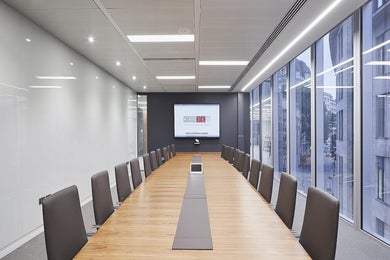
Small boardrooms at Work.Life Aldersgate start from £50-60 per hour, while Convene's premium suites at 200 Aldersgate run £900-1,800 per day for executive meetings. Day delegate rates vary wildly: Thistle City Barbican offers basic packages from £45 per person, while Haberdashers' Hall charges £143.50+VAT per person with minimum numbers. The sweet spot sits around £75-95 for mid-tier venues like BE Offices CentralPoint or The Boardrooms at 140 Aldersgate. Livery halls typically quote £1,500-3,500 per day room-only, but remember they include heritage settings you won't find in serviced offices.
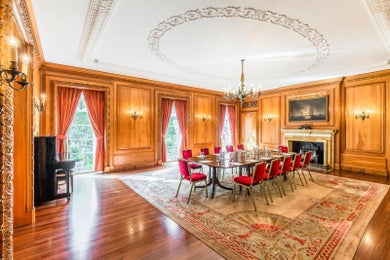
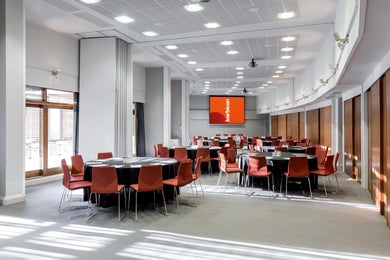
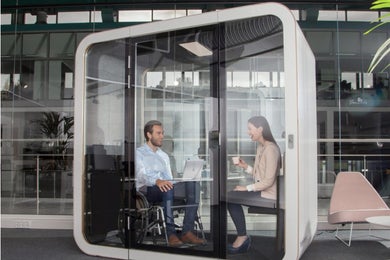
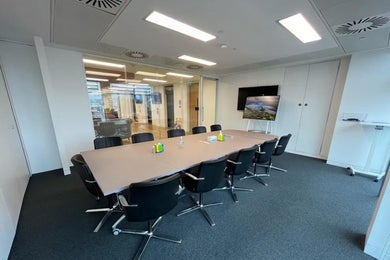
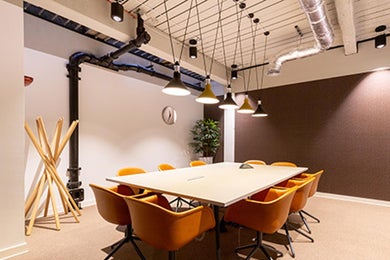
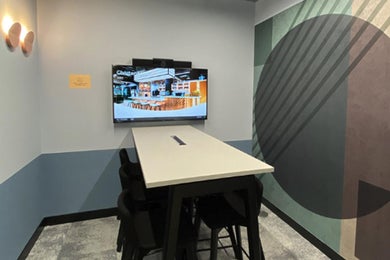
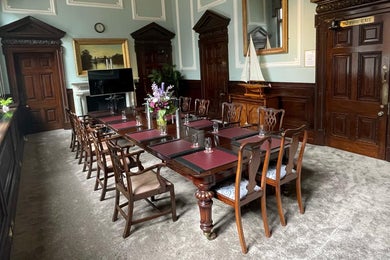
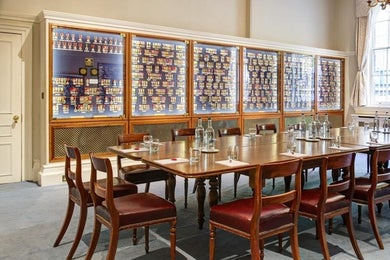
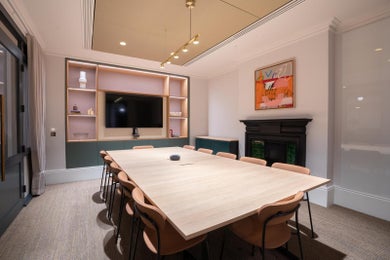
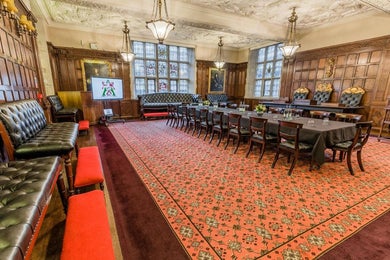
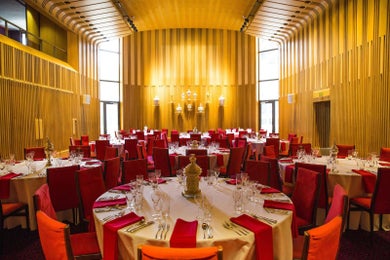
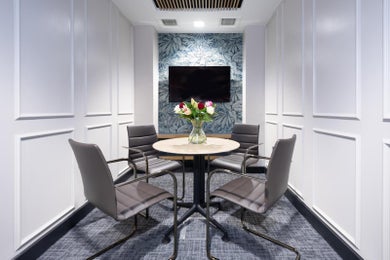
For 2-6 person interviews, book Barbican Creative Hub's Meeting Room 03 from £90+VAT or Work.Life's pods. Teams of 10-20 fit perfectly in Malmaison's Mal Two or Goldsmiths' Centre's Agas Harding Boardroom. The 30-60 person sweet spot belongs to Ironmongers' Court Room or Salters' Hall's Court Room with their wood panelling and natural light. Larger presentations need The Brewery's Pasteur Room (120 theatre) or Milton Court's 608-seat auditorium for AGMs. Several venues like Haberdashers' Hall excel at multi-room bookings when you need breakouts alongside your main session.
Coworking spaces like Work.Life accept same-day bookings through their apps, though popular Tuesday-Thursday slots fill 3-5 days ahead. Corporate venues like Convene typically need 1-2 weeks' notice for standard rooms, 3-4 weeks for larger suites with catering. Livery halls operate differently: Ironmongers' Hall and Brewers' Hall often book 2-3 months ahead for prime dates, especially September-November conference season. The Barbican Centre's Frobisher Rooms can disappear 6 months out when major exhibitions drive corporate entertainment. January and August offer best availability across all venue types.
The Barbican Estate car park offers 24/7 access with 500+ spaces at £3.50 per hour, though the Brutalist ramps confuse first-timers. Smithfield's covered market parking (10 minutes walk) charges £22 for 5 hours weekdays. Most venues discourage driving: Convene at 200 Aldersgate provides zero parking but sits 50 metres from Barbican station. Some livery halls like Haberdashers' Hall arrange limited spaces for speakers. The London Wall car park serves venues toward Moorgate. Reality check: 90% of delegates arrive via tube, with Barbican, Moorgate, Farringdon and St Paul's all within 10 minutes' walk.
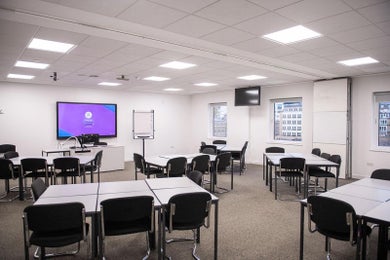
Convene's 200 Aldersgate leads on integrated AV with their HighWalk Forum supporting multi-camera streaming and 400-person hybrid events. The Barbican Centre's Frobisher Rooms include ClickShare wireless presentation and 5K projection with on-site technicians. For serious production needs, book The Brewery's James Watt room with built-in recording capability or LSO St Luke's Jerwood Hall where the London Symphony Orchestra's tech team handles corporate events. Milton Court offers concert-grade acoustics for 600-person presentations. Most coworking spaces provide basic screens and video conferencing, but bring your own tech person for anything complex.
Searcys operates at both the Barbican Centre and Barber-Surgeons' Hall, offering everything from working breakfasts to three-course dinners. Malmaison brings French bistro flair to boardroom catering, while Haberdashers' Hall's exclusive caterer creates City-standard menus around their fountain courtyard. The game-changer is location: unlike Canary Wharf, Barbican sits near Smithfield Market's restaurants. Venues like Goldsmiths' Centre work with local suppliers for creative menus. The Brewery maintains its own production kitchen handling 500+ covers. Even basic venues like Work.Life partner with nearby delis rather than chain suppliers.
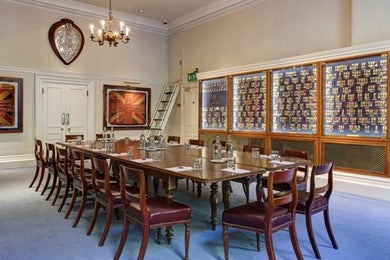
Livery halls like Salters' Hall or Pewterers' Hall deliver gravitas for board meetings, AGMs, or when impressing international clients. They include garden access, wood panelling, and exclusive-use options but require formal catering packages and 2-3 month booking leads. Modern spaces suit different needs: Convene offers corporate polish with flexible terms, Work.Life provides informal creativity, BE Offices delivers no-nonsense functionality. The sweet spot might be somewhere like The Brewery, blending historic architecture with modern production capability. Consider your audience: tech startups prefer Barbican Creative Hub's minimalism over Brewers' Hall's formality.
From Heathrow, the Elizabeth Line reaches Farringdon in 35 minutes (£13.30), then it's a 5-minute walk or one stop to Barbican. City Airport connects via DLR to Bank, then Northern Line to Moorgate (45 minutes total). St Pancras International sits 15 minutes away via Metropolitan Line direct to Barbican, perfect for Eurostar arrivals. The area's four stations (Barbican, Moorgate, Farringdon, St Paul's) connect to every London mainline terminus. Venues like Convene at 200 Aldersgate literally face Barbican station exit. Even Liverpool Street is walkable in 12 minutes through the Barbican Estate's covered walkways.
Ironmongers' Hall features a private courtyard ideal for coffee breaks between sessions. Haberdashers' Hall wraps around a fountain courtyard accessible from all meeting rooms. Salters' Hall opens onto Roman Wall gardens where delegates can walk among medieval ruins. The surprise package is Pewterers' Hall with its secluded walled garden, perfect for summer receptions. Goldsmiths' Centre includes private terraces off some meeting rooms. The Barbican Estate itself provides elevated walkways and lakeside terraces for informal breakouts. Even indoor-focused venues like The Brewery incorporate outdoor terraces, while Charterhouse offers historic cloisters for atmospheric networking.