Fashion Show Venues in London
Get a tailored shortlist from an expert

Your Questions, Answered
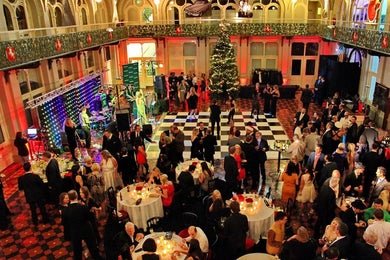
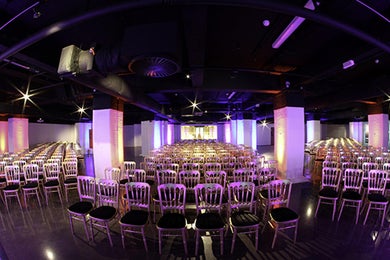
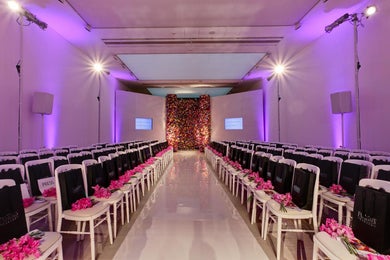
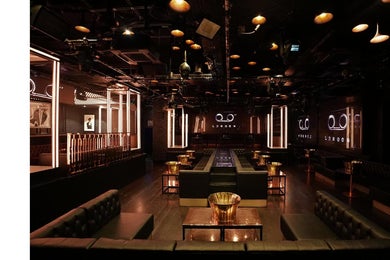
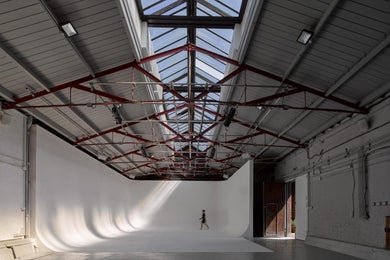
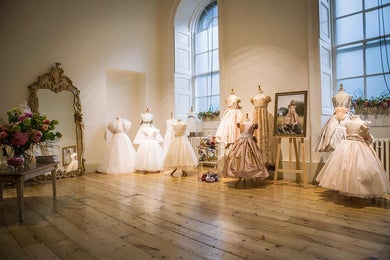
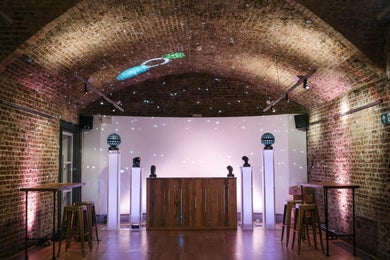
London's fashion elite gravitate towards venues with both visual impact and production credentials. 180 Studios serves as London Fashion Week's creative headquarters, offering brutalist spaces that handle everything from intimate presentations to 2,000-person showcases. The Natural History Museum's Hintze Hall provides theatrical grandeur with published hire rates starting from £29,500, while Somerset House's Portico Rooms deliver blank-canvas flexibility in a Grade I setting. For contemporary edge, Magazine London near North Greenwich offers a purpose-built events space with a 9,700 sqm outdoor Showground perfect for arrival moments and after-parties.
Fashion show venue pricing varies dramatically based on prestige and production requirements. Entry-level spaces like The Steel Yard's interconnected arches start around £7,500 for smaller configurations, while established galleries like Saatchi Gallery command £10,000-£40,000 depending on room combinations. Premium institutional venues operate at higher tiers: Tate Modern's Turbine Hall can exceed £100,000 for major productions, whilst Banqueting House publishes transparent day rates from £16,000 plus VAT for daytime use. Most venues bundle technical infrastructure into packages, with HERE at Outernet offering 24-hour hire including their 6K LED screen from around £20,000.
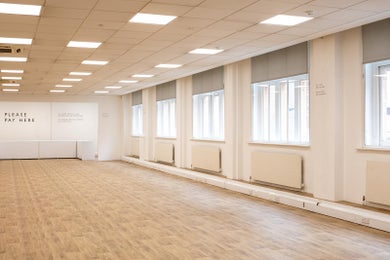
Purpose-built fashion facilities cluster in East London, where The Old Truman Brewery's F Block provides 30,000 sq ft floors with drive-in access and adjoining backstage areas. Protein Studios near Shoreditch High Street offers five interconnected white-box studios with 5-8.5m ceilings and 3-phase power specifically configured for fashion weeks. For turnkey technical setups, Roundhouse publishes fashion-specific floor plans with 1,800 standing capacity and 24-hour dry-hire blocks, while Tobacco Dock's Great Gallery includes dedicated rigging points and optional LED walls across its 57 event spaces.
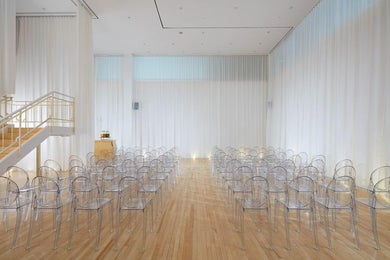
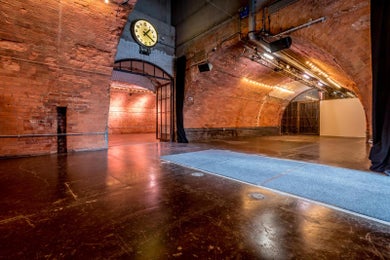
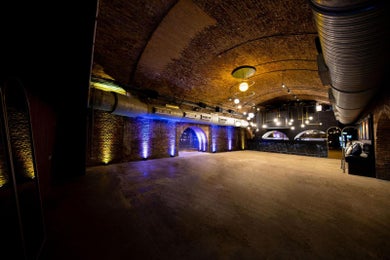
Boutique fashion presentations thrive in London's gallery and studio spaces. One Marylebone's Soane Hall accommodates 300 seated beneath 27-foot ceilings near Great Portland Street, while OXO2 on the South Bank hosts 400 standing with panoramic river views. For edgier aesthetics, Village Underground in Shoreditch provides 700 standing capacity under Victorian skylights, and Studio Spaces E1 near Wapping delivers 8,000 sq ft of flexible studios with high-spec sound systems. 26 Leake Street's graffiti tunnels beneath Waterloo create atmospheric runway settings for up to 1,150 guests across three interconnected arches.
Fashion venues concentrate in distinct London clusters, each with unique advantages. Shoreditch and Brick Lane dominate the creative circuit with Protein Studios, The Old Truman Brewery, and Village Underground all within walking distance. Central London's museum quarter offers prestige addresses like the Natural History Museum and Saatchi Gallery in Chelsea. The South Bank provides riverside drama through Tate Modern, Bargehouse, and OXO2, while emerging East London hubs include Magazine London at North Greenwich and Tobacco Dock in Wapping, both offering massive footprints for ambitious productions.
Proximity to major stations proves crucial for guest logistics during fashion weeks. HERE at Outernet sits directly above Tottenham Court Road's Elizabeth Line interchange, while Somerset House lies just 2-4 minutes from Temple station. For larger productions, Magazine London benefits from North Greenwich's Jubilee Line capacity (3-5 minute walk), and Alexandra Palace has its own rail station 8-10 minutes from the Great Hall. East London venues cluster around Overground connections, with The Old Truman Brewery 6-8 minutes from Shoreditch High Street and 180 Studios equidistant between Temple and Holborn stations.
Multi-zone venues excel at combining catwalk presentations with networking spaces. Freemasons' Hall (rebranding as 60 Great Queen Street) offers the Grand Temple for shows plus multiple reception rooms across its Art Deco complex. Tobacco Dock provides 57 distinct spaces allowing simultaneous runway, showroom and hospitality setups, while The Steel Yard's three linked arches enable natural flow from presentation to party. Banqueting House pairs its magnificent Main Hall with the atmospheric Undercroft for 350-person receptions, and One Marylebone combines Soane Hall runways with upstairs Galleries perfect for pre-show gatherings.
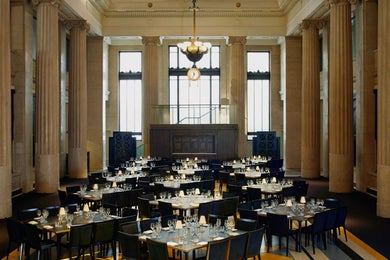
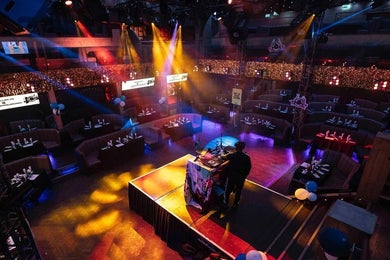
London's runway venues span from intimate showcases to arena-scale productions. Boutique presentations work beautifully in spaces like Shoreditch Town Hall's Assembly Hall (500 reception) or One Marylebone (300 seated runway). Mid-scale shows flourish at Lindley Hall (500 fashion show capacity) and HERE at Outernet (1,500 standing). For major productions, Alexandra Palace's Great Hall accommodates up to 6,000 in event configuration, while Magazine London handles 3,000 indoors plus 7,000 in its Showground. Guildhall's Great Hall provides rare 700-seated dinner capacity with runway potential for couture-scale presentations.
Technical infrastructure varies significantly across London's fashion venues. 180 Studios provides comprehensive in-house production with private Strand entrance options and proven LFW expertise. HERE at Outernet includes a 6K LED screen, d&b audio and turnkey lighting within its hire packages. Roundhouse offers dedicated fashion event planning with 24-hour dry-hire blocks and in-house lighting/sound packages, while Magazine London features extensive technical infrastructure with LED wall options. For raw flexibility, The Old Truman Brewery and Protein Studios provide blank canvases with drive-in access and 3-phase power, allowing complete custom builds.
Fashion week calendars drive booking patterns, with September and February seeing peak demand. Premium venues like Natural History Museum and Tate Modern typically require 6-12 months advance booking for prime dates. Spaces actively used during London Fashion Week, including 180 Studios, The Old Truman Brewery, and Somerset House, often secure multi-day blocks a year ahead. For off-season shows, 3-4 months provides reasonable choice, though venues like Banqueting House (reopening October 2025) already publish rates for advance planning. Newer spaces like Magazine London and HERE at Outernet maintain more flexible scheduling but still book solidly around major industry dates.