Dry hire venues in London
London's dry hire scene has evolved beyond simple space rental into something far more sophisticated. From Tobacco Dock's 57 interconnected spaces hosting tech summits to Magazine London's purpose-built showground accommodating 7,000 guests, the capital offers blank canvases at every scale. The real shift happened post-2020, when venues like Banqueting House and Royal Festival Hall restructured their offerings to include genuine dry hire options with transparent pricing. Whether you're plotting a 50-person product reveal in Conway Hall's Library or a 2,500-delegate conference in Alexandra Palace's pillar-free Great Hall, Zipcube connects you with spaces that let your vision lead, not the venue's preferred supplier list.
Enter dates and number of people to get better results.
Unit 10
No reviews yetNew
  1. · Angel
Unit 10
Price£1,944
Up to 30 people ·
Hampstead Room
No reviews yetNew
  1. · Kilburn High Road
Hampstead Room
Price£72
Up to 30 people ·
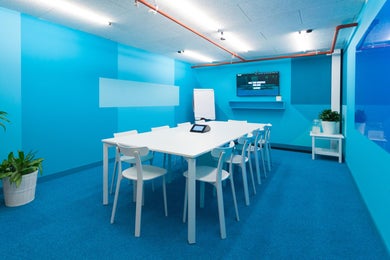
Meeting Room
Rating 4.9 out of 54.925 Reviews (25)
  1. · Lambeth North
Meeting Room
Price£40
Up to 6 people ·
Luxury Meeting Room / Conference Room / Boardroom
No reviews yetNew
  1. · Deptford
Luxury Meeting Room / Conference Room / Boardroom
Price£106
Up to 12 people ·
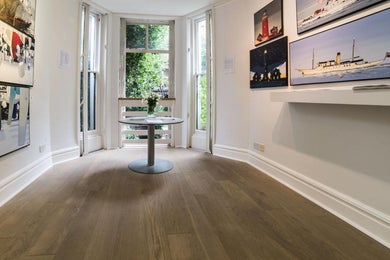
The Gallery Room
Rating 4.4 out of 54.45 Reviews (5)
  1. · Embankment
The Gallery Room
Price£389
Up to 60 people ·
The Warehouse
Rating 4.9 out of 54.97 Reviews (7)
  1. · Covent Garden
The Warehouse
Price£286
Up to 30 people ·
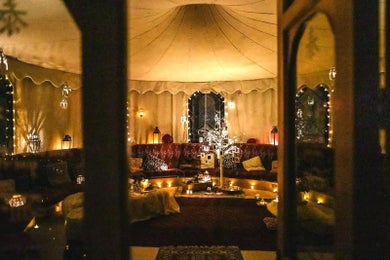
Bedouin Tent & Garden
Rating 4.6 out of 54.64 Reviews (4)
  1. · Liverpool Street
Bedouin Tent & Garden
Price£280
Up to 35 people ·
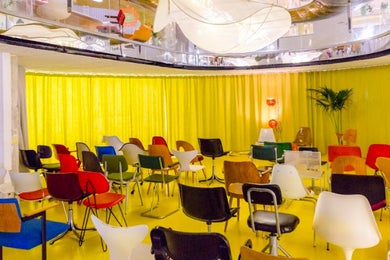
Alphabet City
2 Reviews2 Reviews
  1. · White City
Alphabet City
Price£94
Up to 10 people ·
Auditorium
2 Reviews2 Reviews
  1. · Shoreditch High Street
Auditorium
Price£3,622
Up to 250 people ·
Whole Venue Hire
No reviews yetNew
  1. · Knightsbridge
Whole Venue Hire
Price£1,344
Up to 70 people ·
Skip the scroll
Get a tailored shortlist from an expert
We'll send you a free expertly-curated selection of your best matches on (and off) the market
The Whittington Room
Rating 4.9 out of 54.93 Reviews (3)
  1. · Cannon Street
The Whittington Room
Price£101
Up to 60 people ·
Whole Venue
Rating 4.8 out of 54.810 Reviews (10)
  1. · Elephant & Castle
Whole Venue
Price£466
Up to 200 people ·
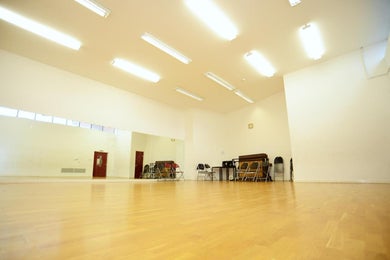
Dance Studio
No reviews yetNew
  1. · Bethnal Green
Dance Studio
Price£120
Up to 25 people ·
4 floors
No reviews yetNew
  1. · Leicester Square
4 floors
Price£4,435
Up to 85 people ·
Wren Room
No reviews yetNew
  1. · Cutty Sark
Wren Room
Price£720
Up to 60 people ·
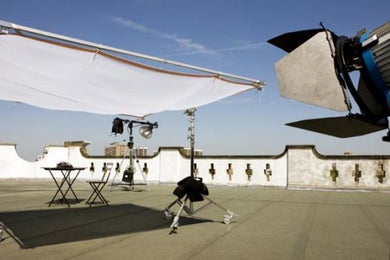
Roof
No reviews yetNew
  1. · Shoreditch High Street
Roof
Price£4,704
Up to 300 people ·
The Gallery
No reviews yetNew
  1. · Edgware Road
The Gallery
Price£1,200
Up to 120 people ·
Sugar Rooms
No reviews yetNew
  1. · Moorgate
Sugar Rooms
Price£10,752
Up to 120 people ·
Whole Venue
No reviews yetNew
  1. · Hackney Downs
Whole Venue
Price£2,800
Up to 150 people ·
The Hampstead Suite
No reviews yetNew
  1. · Cricklewood
The Hampstead Suite
Price£2,000
Up to 300 people ·

Your Questions, Answered

True dry hire means you get the space as a blank canvas with freedom to bring your own suppliers. Tobacco Dock exemplifies this perfectly, offering 16,000 square metres where you control everything from catering to production. Most London dry hire venues operate on an 'approved supplier' model rather than completely open access. Places like Old Billingsgate provide the shell while maintaining a curated list of caterers who know the building's quirks. The key distinction: you're paying for space and infrastructure, not locked into package deals.

Budget expectations vary wildly based on scale and prestige. Hackney Town Hall publishes transparent rates starting at £1,650 for three hours in their Assembly Rooms, while Royal Festival Hall commands £29,750 for daytime auditorium hire. Mid-range options like Bush Hall charge from £3,850 for parties. Remember dry hire typically means additional costs for everything from security to cleaning. Most venues require 25-50% deposits, with final payments due two weeks before your event. Factor in VAT plus production costs which can easily double your venue spend.

East London dominates with warehouse clusters around Shoreditch and Wapping. The Old Truman Brewery provides 50,000 square feet of interconnected spaces perfect for fashion weeks, while Studio Spaces E1 offers three black-box studios with Funktion-One sound systems. Central options include heritage sites like Banqueting House in Whitehall and One Marylebone near Regent's Park. South of the river, Magazine London at North Greenwich leads the modern dry hire movement with its steel-and-glass pavilions.

Most London dry hire venues maintain approved supplier lists rather than offering complete freedom. Roundhouse provides 24-hour hire blocks but requires using their technical team for rigging and sound. Shoreditch Town Hall lets you choose from featured caterers or propose your own for approval. Insurance requirements typically include £5-10 million public liability cover for external suppliers. Some venues like Protein Studios offer genuine open-door policies, particularly for brand activations and experiential events where creative control matters most.

Alexandra Palace's Great Hall tops the scale at 10,250 standing or 5,000 banqueting, while intimate options like Conway Hall's Library accommodate just 60. Sweet spots for corporate events include Islington Assembly Hall at 430 theatre style and Lindley Hall at 650 standing. Remember that stated capacities assume basic layouts. Complex productions with staging, screens and catering stations typically reduce numbers by 20-30%. Fire regulations also vary between boroughs, affecting how you can use spaces.

Premium dates at venues like Old Billingsgate and Tobacco Dock book 12-18 months ahead, particularly for November-December. Summer terraces at Magazine London fill by January for the following year. However, dry hire venues often have last-minute availability for weekday corporate events. Battersea Arts Centre's Grand Hall sometimes has gaps three months out, while warehouse spaces in zones 2-3 regularly offer deals within 6-8 weeks. January and August remain the easiest months to secure prestigious venues at standard rates.

Tobacco Dock has become the unofficial home of London tech events, with dedicated loading bays and 57 spaces for breakouts. Magazine London suits product launches with its 8.5-metre ceilings accommodating large installations. Protein Studios in Shoreditch offers five modular white-box studios with three-phase power for heavy tech requirements. For smaller summits, Studio Spaces E1 provides three interconnected studios with built-in streaming capability. Most tech-friendly venues include dedicated bandwidth upgrades and power distribution as standard.

Magazine London's Showground accommodates 7,000 outdoors alongside its indoor pavilions. Alexandra Palace combines indoor halls with panoramic terraces overlooking London. Loft Studios features two courtyards creating natural flow between five warehouse spaces. Southbank Centre's roof pavilions offer Thames views for 220 guests. Weather contingencies matter: venues with retractable elements or covered outdoor areas command premium rates. Most outdoor spaces require separate licensing for amplified sound after 9pm.

Basic inclusions vary dramatically between venues. Lindley Hall includes tables, chairs and operational support within their dry hire fee. Roundhouse provides full technical infrastructure during their 24-hour hire blocks. Conversely, warehouse spaces like F Block at Old Truman Brewery deliver completely empty shells requiring everything from lighting to toilets. Most heritage venues include house lighting and basic PA systems. Always clarify what's included: some venues charge separately for items like cloakroom rails, signage boards and even bins.

Beyond price and capacity, consider operational factors that affect your event's success. Hackney Town Hall publishes transparent pricing and has strong event management, making execution smoother. Tobacco Dock's 57 spaces allow complex multi-stream conferences impossible elsewhere. Old Billingsgate's riverside location and three distinct spaces suit brands wanting variety within one booking. Check loading access (vital for exhibitions), ceiling heights (for production), and whether venues have dealt with similar events. Recent refurbishments at Battersea Arts Centre and Banqueting House mean better facilities but potentially less flexible policies.

Dry hire venues in London:
The Expert's Guide

Understanding London's Dry Hire Landscape

The dry hire market in London has transformed dramatically since 2020, with venues recognising that clients want creative control rather than restrictive packages. Tobacco Dock leads this revolution, offering 16,000 square metres across 57 spaces where you dictate every detail. The shift from exclusive catering contracts to approved supplier lists has opened possibilities previously reserved for film productions and fashion shows.

Traditional venues have adapted too. Southbank Centre's Royal Festival Hall now publishes clear dry hire rates starting from £24,000 for evening hire, while Banqueting House reopened in October 2025 with flexible supplier arrangements. This transparency has forced the entire market to become more competitive and client-focused.

Navigating Venue Categories and Capacities

London's dry hire venues fall into distinct categories, each with typical capacity ranges and use cases. Heritage venues like Old Billingsgate (2,500 standing) and One Marylebone (750 standing) suit formal events requiring architectural gravitas. Contemporary warehouses including Protein Studios and Studio Spaces E1 offer 1,000-1,600 capacity with complete creative freedom.

The mega-venues operate differently. Alexandra Palace's Great Hall handles 10,250 standing but requires extensive production planning and multiple supplier coordination. Mid-size options like Shoreditch Town Hall (770 theatre) balance flexibility with manageable logistics. Understanding these categories helps narrow options before diving into specifics.

Transport Links and Accessibility Considerations

Location dramatically impacts both guest experience and supplier logistics. Magazine London sits just three minutes from North Greenwich station but requires careful planning for equipment delivery. East London clusters around Shoreditch High Street give access to multiple venues: Old Truman Brewery (7 minutes), Protein Studios (5 minutes) and Shoreditch Town Hall (12 minutes from Old Street).

Central venues like Conway Hall near Holborn benefit from multiple transport options but suffer from congestion charging and limited loading access. Venues with dedicated loading bays and goods lifts command premiums. Consider your suppliers' needs: caterers hauling equipment to Roundhouse face different challenges than those accessing ground-level Loft Studios with its ample parking.

Pricing Structures and Hidden Costs

Published dry hire rates rarely tell the complete story. Hackney Town Hall stands out for transparent pricing: Assembly Rooms from £1,650 for three hours, extending to £4,950 for 10-hour weekend slots. Most venues operate on enquiry-only pricing, with rates fluctuating based on day, season and event type.

Hidden costs accumulate quickly. Security (£25-40 per hour per guard), cleaning (£500-2,000), equipment storage (£200-500 per day) and venue management fees (5-10% of hire fee) appear in contracts. Bush Hall includes basic costs within their £3,850 party rate, while warehouse venues charge for everything separately. Always request fully itemised quotes and factor 20-30% contingency above the base hire fee.

Supplier Management and Approved Lists

The 'approved supplier' model dominates London dry hire, balancing creative freedom with venue protection. Old Billingsgate maintains strict approved caterer lists but allows external AV and production companies with insurance verification. Tobacco Dock offers more flexibility, particularly for experienced event producers with strong track records.

Building relationships with approved suppliers yields benefits beyond compliance. They know that Lindley Hall's glass roof requires specific lighting angles, or that Magazine London's loading bay has height restrictions. Some venues like Battersea Arts Centre offer introduction fees to suppliers, potentially negotiating better rates for clients who book through Zipcube's platform.

Technical Infrastructure and Production Requirements

Production capabilities vary enormously between venues. Roundhouse includes world-class technical infrastructure in their 24-hour hire blocks, with dedicated production managers and Funktion-One sound systems. Protein Studios provides three-phase power and 8.5-metre clearance for major installations but requires bringing everything else.

Heritage venues present unique challenges. Banqueting House's Rubens ceiling prohibits certain rigging options, while One Marylebone's Grade I listing limits structural modifications. Modern purpose-built spaces like Magazine London accommodate almost anything, with dedicated power distribution and multiple rigging points. Always involve production teams early: technical feasibility often determines venue selection more than aesthetics.

Seasonal Variations and Booking Strategies

London's dry hire market follows predictable seasonal patterns. September through December sees maximum demand, with Old Billingsgate and Tobacco Dock booked solid for corporate events. January offers significant discounts, sometimes 30-40% below peak rates. August traditionally stayed quiet but post-pandemic summer events have increased competition for venues with outdoor space.

Smart booking strategies include holding multiple options during negotiation, leveraging quiet periods for better terms, and considering non-traditional days. Alexandra Palace offers Sunday-Monday packages at fraction of Friday-Saturday rates. Venues like Islington Assembly Hall provide bulk booking discounts for series events. Building relationships with venue sales teams through Zipcube often unlocks preferential rates and first refusal on cancellations.

Risk Management and Insurance Requirements

Dry hire shifts significant risk from venue to client, requiring comprehensive insurance coverage. Standard requirements include £10 million public liability, though Alexandra Palace and other mega-venues may demand £20 million for large-scale events. Employer's liability, cancellation insurance and supplier default coverage become essential for complex productions.

Venues increasingly require detailed risk assessments and method statements. The Vaults beneath Waterloo has specific requirements for working in confined spaces, while Roundhouse's circular structure needs careful crowd flow planning. Some venues like Southbank Centre provide risk assessment templates, while others expect professional event management standards. Factor risk management costs into budgets: professional event managers typically charge 10-15% of total event spend.

Sustainable Events and Environmental Considerations

Environmental credentials increasingly influence venue selection, with many London dry hire spaces investing in sustainability. Magazine London achieved BREEAM Excellent rating with solar panels and rainwater harvesting. Tobacco Dock has eliminated single-use plastics and provides comprehensive recycling facilities. Southbank Centre publishes annual sustainability reports and offers green event planning guidance.

Dry hire allows greater control over sustainable practices. Choose local suppliers to reduce transport emissions, specify sustainable catering options, and implement waste reduction strategies. Some venues offer incentives: Hackney Town Hall provides discounts for events meeting environmental criteria. Consider venues accessible by public transport and those offering bike storage or electric vehicle charging. These factors increasingly matter to corporate clients with ESG commitments.

Future Developments and Market Trends

London's dry hire market continues evolving with several major developments underway. The £100 million renovation of Olympia London will add 50,000 square metres of flexible event space by 2026. East London sees continued warehouse conversions, particularly around Hackney Wick and Tottenham Hale. Battersea Power Station's event spaces have raised the bar for industrial chic venues.

Technology integration becomes standard, with venues like Studio Spaces E1 offering built-in streaming infrastructure and hybrid event capabilities. Flexibility remains key: venues that adapted during 2020-2021 now offer modular pricing and 4-hour minimum bookings instead of traditional day rates. Through Zipcube, you can access this evolving inventory immediately, with real-time availability and transparent pricing replacing the traditional chase-and-quote model.